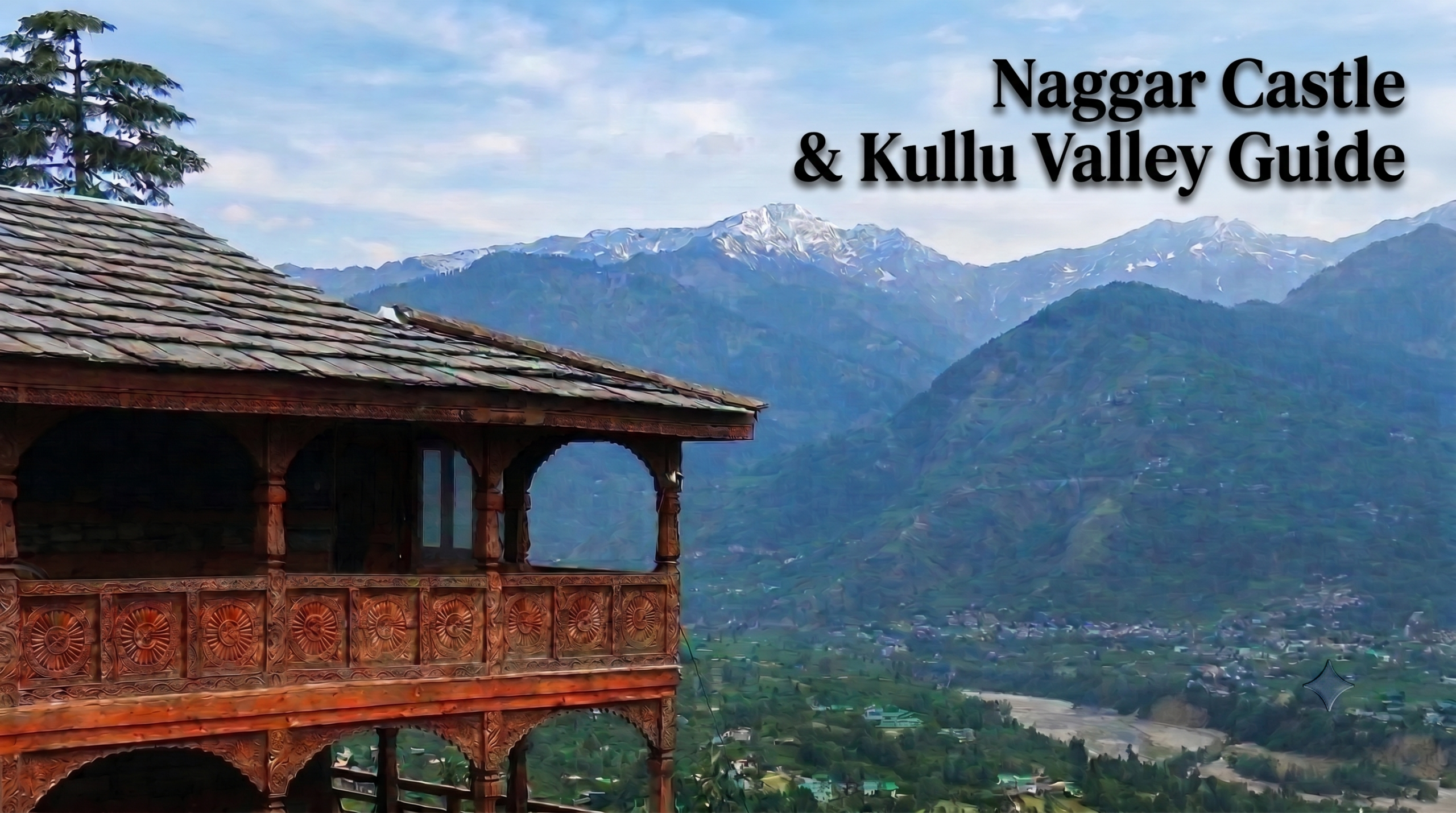
Direct Answer Summary: A day trip from Manali covering Kullu River rafting, Naggar Castle, and Jana Waterfall spans roughly 35 km and takes 6 to 8 hours to complete. The route combines Grade II–III river rafting on the Beas River (starting at ₹400 to ₹600 per person), the 15th-century wood-and-stone architecture of Naggar Castle, and a peaceful forest trek to the scenic Jana Waterfall, with dedicated private cabs from Manali ranging from ₹2,500 to ₹3,500.
The stretch of the Kullu Valley south of Manali offers an escape from commercial tourist crowds, pairing high-adrenaline river sports with historic heritage and quiet deodar forests. While standard travel itineraries often rush visitors through local markets, exploring Kullu, Naggar, and Jana provides a balanced mix of adventure, culture, and nature.
To ensure an unhurried, transparent experience without surprise on-spot cab negotiations, TourHP.in incorporates this full day circuit directly into the verified Kullu Manali Solang & Naggar Trip Package (MNL-B) departing from Delhi and Chandigarh.
What are the costs and distances for Kullu rafting, Naggar, and Jana Waterfall?
Planning your budget for this southern Kullu loop is straightforward, as entrance tickets and activity fees operate under standard local rates:
| Attraction / Activity | Distance from Manali | Approx. Time Needed | Estimated Cost (Per Person / Cab) |
| Kullu River Rafting (Pirdi / Babeli) | 22 km | 1.5 hours (incl. briefing) | ₹400 – ₹600 per person |
| Naggar Castle | 24 km | 1 hour | ₹30 – ₹50 entry ticket |
| Nicholas Roerich Art Gallery (Naggar) | 24.5 km | 45 mins | ₹30 – ₹50 entry ticket |
| Jana Village & Waterfall Trek | 33 km | 2–2.5 hours (incl. walk) | Free entry (Dhaba meals ~₹150–₹200) |
| Private Dedicated Cab (Round Trip) | ~70 km total | 6–8 hours full circuit | ₹2,500 – ₹3,500 per cab (Sedan/SUV)[cite: 1, 3] |
Stop-by-Stop Day Itinerary: A Perfect Kullu Valley Loop
- 08:30 AM — Morning Departure from Manali: Leave your hotel early to beat highway traffic along the left bank of the Beas River and capture the early morning sun over the valley.
- 09:15 AM — Stop 1: River Rafting on the Beas (Pirdi/Babeli): Arrive at the rafting put-in site. Following safety instructions and life-jacket fittings, embark on an exhilarating 7 km run through Grade II and III rapids, concluding near Jhiri.
- 11:00 AM — Stop 2: Naggar Castle & Heritage Walk: Ascend the hillside to Naggar Castle, an ancient fortress built around 1460 AD by Raja Sidh Singh using traditional Kath-Kuni (interlocked wood and stone) architecture. Explore the courtyards overlooking the Kullu Valley, and stroll over to the nearby Nicholas Roerich Art Gallery to view the Himalayan landscape paintings of the famed Russian artist.
- 01:00 PM — Stop 3: Jana Village & Waterfall Trail: Drive an additional 10 km into the hills toward Jana village. Park at the village clearing and take an easy 2–3 km walking trail through ancient deodar woods and terraced apple orchards to reach the 30-foot Jana Waterfall.
- 03:30 PM — Mountain Meal at Village Dhabas: Sit down at rustic wooden benches near the waterfall base for an authentic, slow-cooked Himachali lunch.
- 05:00 PM — Scenic Return Drive: Begin the return journey back toward Manali along the quiet Left Bank road, arriving in town in time for an evening stroll along Mall Road.
Heritage Restoration Advisory: Naggar Castle periodically undergoes conservation and restoration work overseen by the Himachal Pradesh Tourism Development Corporation (HPTDC). Even if sections of the interior museum chambers are cordoned off for masonry maintenance, the stone courtyards, panoramic valley viewpoints, and adjacent Roerich Estate remain open to visitors.
Deep Dive: The Three Core Experiences
1. Conquering the Beas: River Rafting in Kullu
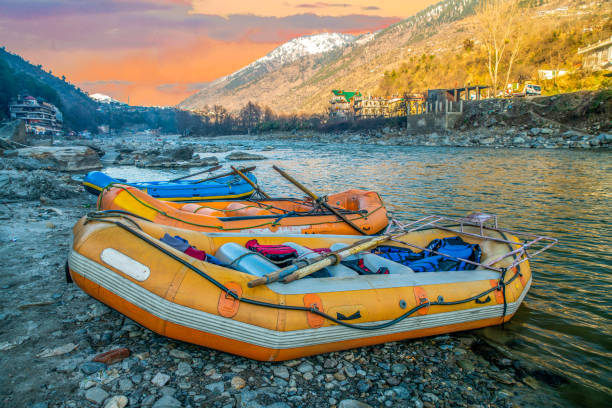
The Beas River between Babeli and Pirdi offers Grade II and III rapids, providing an exciting adventure that remains accessible for beginners, families, and first-timers.
- Safety & Equipment: Certified river guides accompany every commercial raft. Certified life vests and helmets are mandatory before entering the water.
- Practical Tip: Wear quick-dry synthetic clothing and secure strapped sandals or water shoes. Carry a spare change of warm clothes and a dry towel in your private cab for after the run.
2. Naggar’s Medieval Mountain Heritage
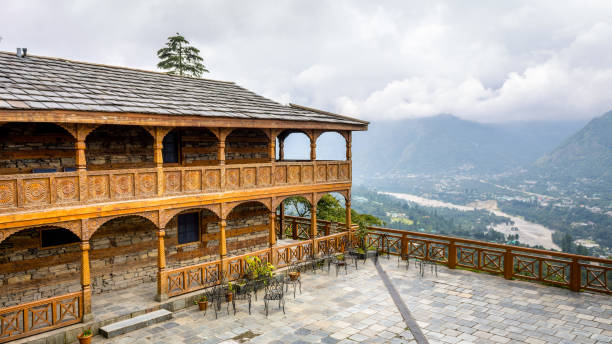
Serving as the ancient capital of the Kullu Rajas for centuries, Naggar presents a dramatic architectural shift from Manali’s modern hotels. The castle’s Kath-Kuni joinery was engineered to withstand seismic shifts without cement. Above the castle, the Nicholas Roerich Art Gallery showcases preserved private quarters, Himalayan canvases, and the historic 1930s Dodge car used by the artist.
3. The Unspoiled Trail: Jana Waterfall
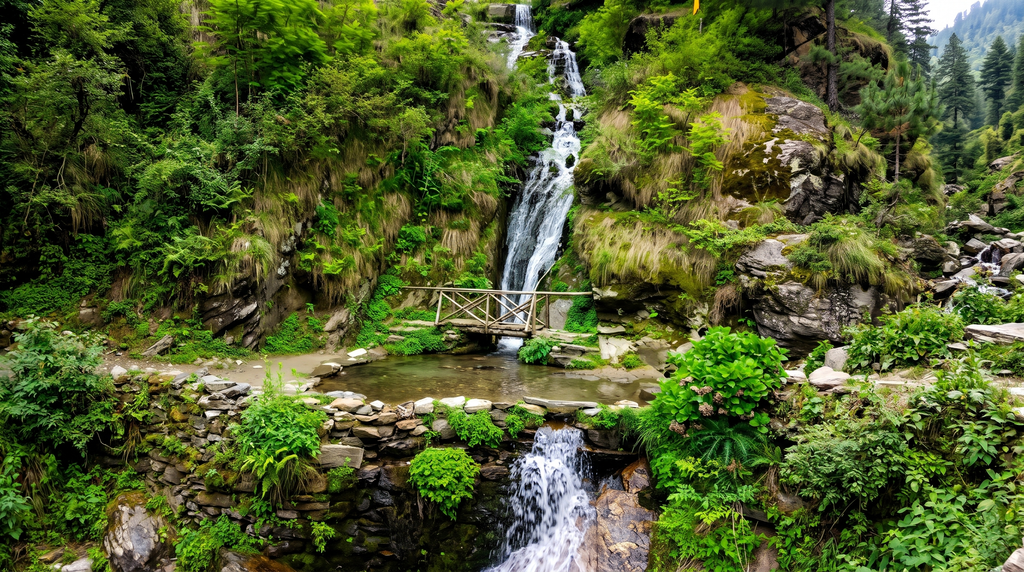
Unlike the busier tourist strips around Manali, Jana Waterfall maintains an unhurried rural charm. The waterfall cascades down a moss-covered rock cleft crossed by a rustic wooden footbridge. The surrounding forest trails offer calm walks shaded by towering cedar trees and seasonal apple orchards.
Transportation & Mountain Road Advice
- Dedicated Private Cab (Best Option): Hiring a local private cab from Manali (₹2,500 to ₹3,500 for the full circuit) allows total schedule flexibility. Your driver waits at the river base with your dry gear and manages parking at Jana while you explore.
- Self-Drive Caution: The main highway (NH-3) along the right bank and the Naggar Left Bank road are well-surfaced. However, the final 2 km climb up into Jana village features a narrow, single-lane mountain road. Drive at low gears and yield right-of-way to descending local vehicles.
- Public Transit Constraints: While HRTC buses ply between Manali, Naggar, and Jana, infrequent schedules make combining rafting, castle sightseeing, and the waterfall trek impractical within a single day using public transit.
What to Eat on the Route
- Fresh Himachali Siddu: Roadside stalls throughout Naggar and along the river highway steam fresh Siddu on order, a hearty, yeast-leavened wheat pocket filled with spiced walnuts, poppy seeds, or lentils, served drenched in warm desi ghee.
- Local Himalayan River Trout: Established riverside cafes near Kullu and Naggar prepare fresh, locally farmed river trout, pan-fried with mild mountain herbs and garlic lemon butter.
- Rustic Village Dhaba Thali at Jana: Local wooden shacks right beside Jana Waterfall serve traditional comfort food: red rice (Matki chawal), local Kadhi, Bichhu Butti (stinging nettle) saag, Makki ki roti, fresh lingad (fiddlehead fern) pickle, and steaming bowls of spicy Maggi with hot masala chai.
- Cash Readiness: Keep ₹1,000 to ₹1,500 in physical cash notes. The narrow forested valley around Jana often experiences patchy mobile data connectivity, making digital UPI transfers unreliable.
Cultural Etiquette & Environmental Care
- Leave No Trace in the Forest: Jana’s pine ecosystem is clean and fragile. Avoid discarding mineral water bottles, wrappers, or packaging along the trail. Always carry your personal trash back to the parking bins or your hotel.
- Respect Village Life: Jana is an active agricultural settlement where locals tend to apple harvest belts and livestock. Always request permission before taking portraits of village elders or residential timber homes, and greet residents with a polite “Namaste.”
Best Months to Visit
- Ideal Weather & Rafting Season (March to June & September to November): These windows deliver clear weather, pleasant daytime temperatures (15°C to 24°C), and optimal water discharge for safe river rafting[cite: 3]. Late autumn in late October provides crisp air, golden orchard leaves, and significantly lower crowd density across all heritage sites.
- Monsoon Precautions (July to August): Heavy rains swell the Beas River, prompting authorities to suspend all river rafting operations for safety. Forest walking paths near Jana Waterfall also become slick with mud.
- Winter Season (December to February): Rafting is generally closed due to freezing water and low flow rates. Naggar Castle and Jana remain open and peaceful, framed by snow-dusted pine ridges, requiring warm woolens and windproof jackets.
Frequently Asked Questions
Is Kullu river rafting safe for beginners and children?
Yes. The 7 km river section running from Pirdi or Babeli down toward Jhiri features manageable Grade II and Grade III rapids[cite: 1, 3]. Regulated operators require certified life vests, safety helmets, and experienced river captains, making it safe for first-time rafters and children above 8 to 10 years of age.
Is Naggar Castle open to tourists in 2026?
Naggar Castle remains open to visitors, though selected heritage chambers occasionally undergo scheduled structural restoration by the state tourism department. Even during conservation work, the open courtyard terraces, wooden architecture, and adjacent Roerich Art Gallery remain accessible.
How difficult is the walk to Jana Waterfall?
The trail from Jana village to the waterfall is a gentle 2 to 3 km walk along shaded forest paths and village orchards. It is rated as easy to moderate, requiring basic walking shoes and comfortable clothing for the return uphill stroll.
Plan Your Kullu & Naggar Day Tour with TourHP
Skip transport hassles and enjoy clear, upfront pricing on your mountain excursions. TourHP coordinates private cabs, experienced mountain drivers, and complete Himachal packages with verified hotels and MAP meal plans.
Chat on WhatsApp with TourHP (+91 78079 59741)